CNCD Participates in ABS Legal and Capacity-Building Workshop for Traditional Rulers and CSOs in Buea
Introduction: Advancing Fair and Equitable Biodiversity Governance
Biodiversity conservation is not only about protecting ecosystems—it is also about ensuring that communities who steward natural resources benefit fairly from their use. In Cameroon, the Access and Benefit-Sharing (ABS) framework plays a critical role in regulating access to genetic resources and ensuring equitable sharing of benefits arising from their utilization.
The Centre for Nature Conservation and Development (CNCD) continues to support inclusive biodiversity governance by actively participating in national and regional initiatives that strengthen legal awareness, community rights, and institutional capacity.
CNCD’s Participation in the ABS Sensitization and Capacity-Building Workshop
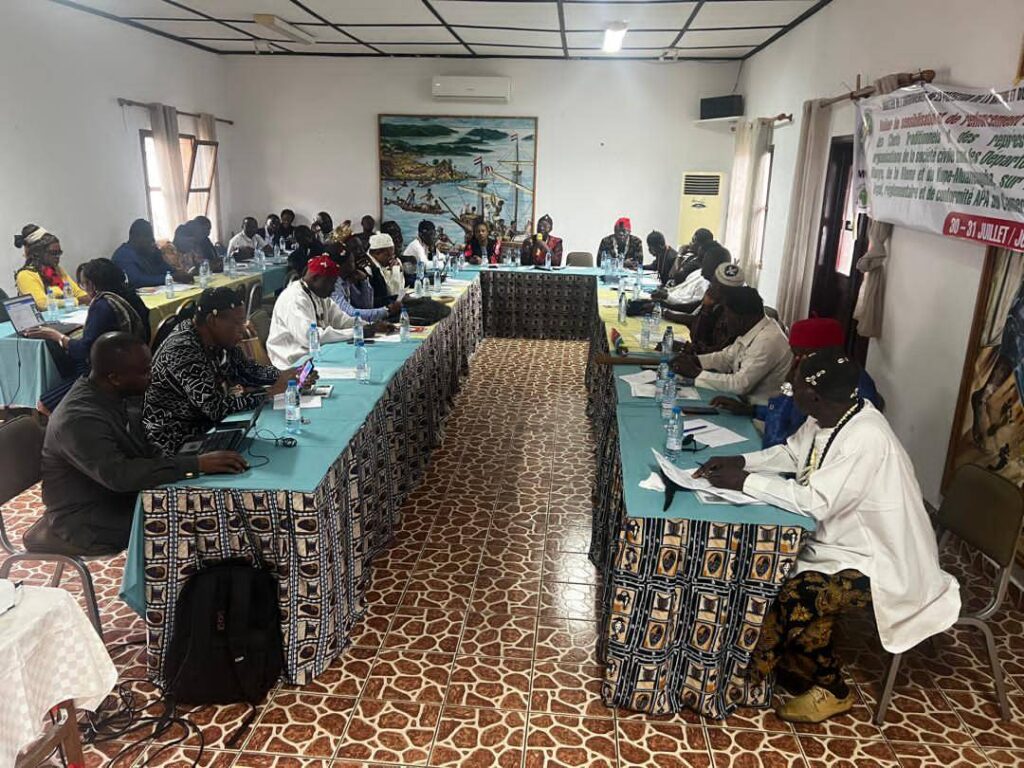
On 30th and 31st July 2025, CNCD participated in a sensitization workshop and capacity-building session on Cameroon’s ABS legal, regulatory, and compliance framework. The workshop was held at Capitol Hotel, Buea, in the South West Region of Cameroon.
The event brought together traditional rulers and civil society organizations (CSOs), recognizing their central role in biodiversity conservation, traditional knowledge protection, and community development.
Understanding Access and Benefit-Sharing (ABS) in Cameroon
Access and Benefit-Sharing (ABS) is a framework that governs:
- Access to genetic resources
- Use of associated traditional knowledge
- Fair and equitable sharing of benefits arising from their utilization
Cameroon’s ABS framework aligns with international agreements, including the Convention on Biological Diversity (CBD) and the Nagoya Protocol, ensuring that communities are protected from exploitation while benefiting from the sustainable use of their resources.
Objectives of the Workshop
The workshop aimed to strengthen awareness and capacity among key stakeholders through the following objectives:
Enhancing Understanding of ABS Laws and International Obligations
Participants were sensitized on Cameroon’s ABS legal framework and its alignment with international biodiversity agreements, improving compliance and informed participation.
Strengthening the Role of Traditional Rulers and CSOs
Traditional authorities and CSOs were empowered to:
- Safeguard community rights
- Promote legal compliance
- Act as custodians of traditional knowledge and genetic resources
Building Capacity for Sustainable and Equitable Benefit-Sharing
The workshop enhanced participants’ ability to engage effectively in:
- Sustainable use of genetic resources
- Negotiation and implementation of benefit-sharing agreements
- Protection of traditional knowledge associated with biodiversity
Promoting Dialogue and Knowledge Exchange
Through interactive discussions, case studies, and experience sharing, the workshop created a platform for dialogue and collaboration between traditional rulers, CSOs, and technical experts.
This exchange strengthened mutual understanding and fostered partnerships essential for:
- Transparent biodiversity governance
- Community-led conservation initiatives
- Equitable and inclusive development
Why This Matters for Communities and Conservation
Effective implementation of the ABS framework:
- Protects indigenous and local community rights
- Prevents biopiracy and misuse of genetic resources
- Encourages sustainable biodiversity use
- Supports livelihoods and local development
By engaging traditional rulers and CSOs, the workshop reinforced the principle that communities are central actors in conservation and development, not passive beneficiaries.
CNCD’s Commitment to Biodiversity, Community Rights, and Sustainable Development
CNCD remains committed to:
- Supporting legal awareness and capacity building
- Promoting community participation in biodiversity governance
- Protecting traditional knowledge and genetic resources
- Advancing equitable and sustainable development
Participation in this workshop reflects CNCD’s broader mission to bridge policy, communities, and conservation for lasting impact.
Call to Action: Partner With CNCD for Inclusive Biodiversity Governance
Strengthening biodiversity governance requires sustained collaboration and resources. CNCD invites donors, foundations, development partners, and conservation institutions to support initiatives that promote legal compliance, protect community rights, and ensure fair benefit-sharing.
Together, we can build a future where biodiversity conservation supports both nature and people.