CNCD’s Engagement With the Nninong Clan to Promote Cultural Diversity and Sustainable Development
Introduction: Why Cultural Heritage Preservation Matters
Cultural heritage is a living expression of identity, knowledge, and resilience. In Cameroon, indigenous cultures hold centuries of wisdom in governance, food systems, health practices, and environmental stewardship. However, modernization, climate change, and socio-economic pressures threaten the survival of these traditions.
The Centre for Nature Conservation and Development Cameroon (CNCD) recognizes that sustainable development cannot be achieved without preserving and valuing cultural diversity. This understanding guided CNCD’s recent engagement with the Nninong Clan, where rich indigenous practices continue to shape community life.
CNCD’s Commitment to Indigenous Cultural Heritage
CNCD works to protect both natural and cultural heritage as interconnected pillars of sustainable development. Indigenous knowledge systems are vital for:
- Community resilience and self-reliance
- Sustainable resource management
- Intergenerational knowledge transfer
- Cultural identity and social cohesion
By documenting and promoting indigenous practices, CNCD helps ensure they remain relevant, respected, and protected for future generations.
Witnessing Living Heritage in the Nninong Clan
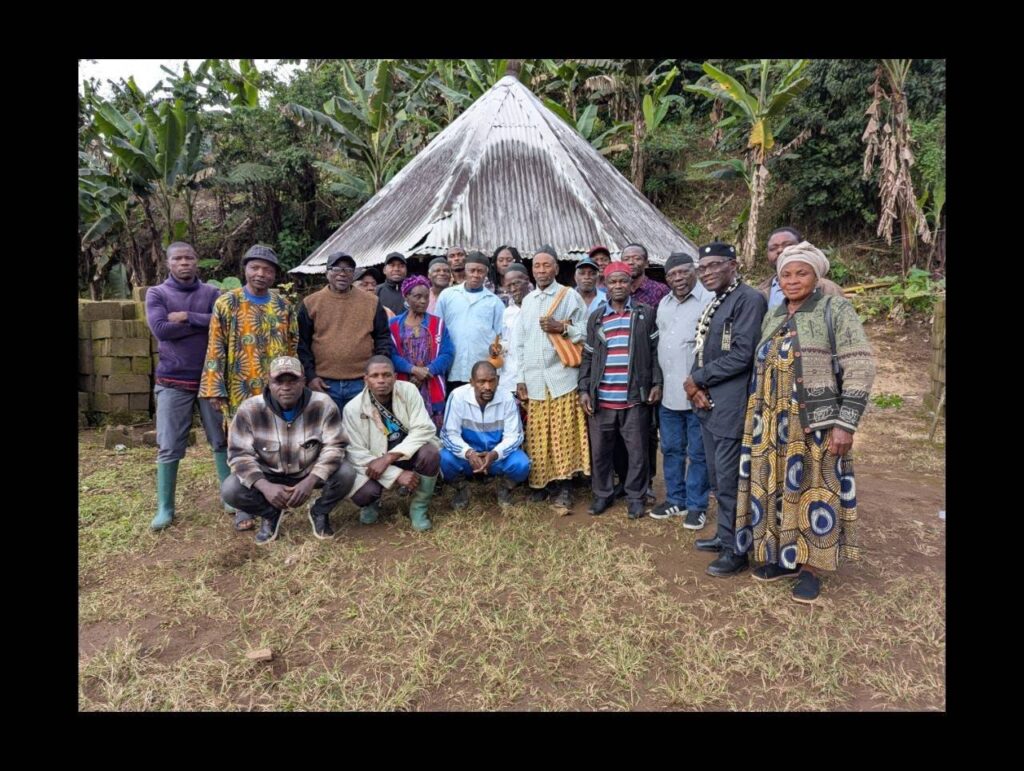
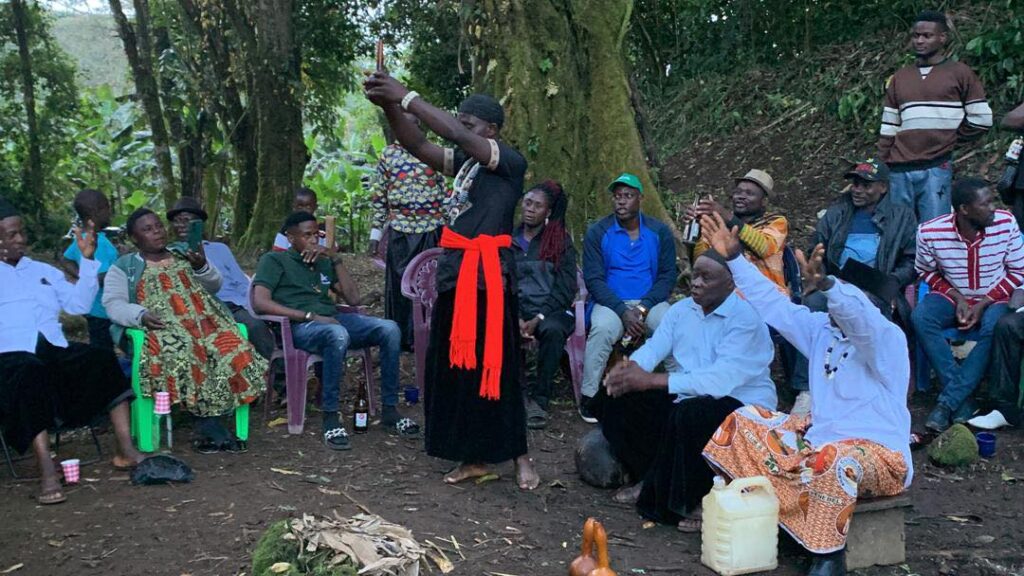
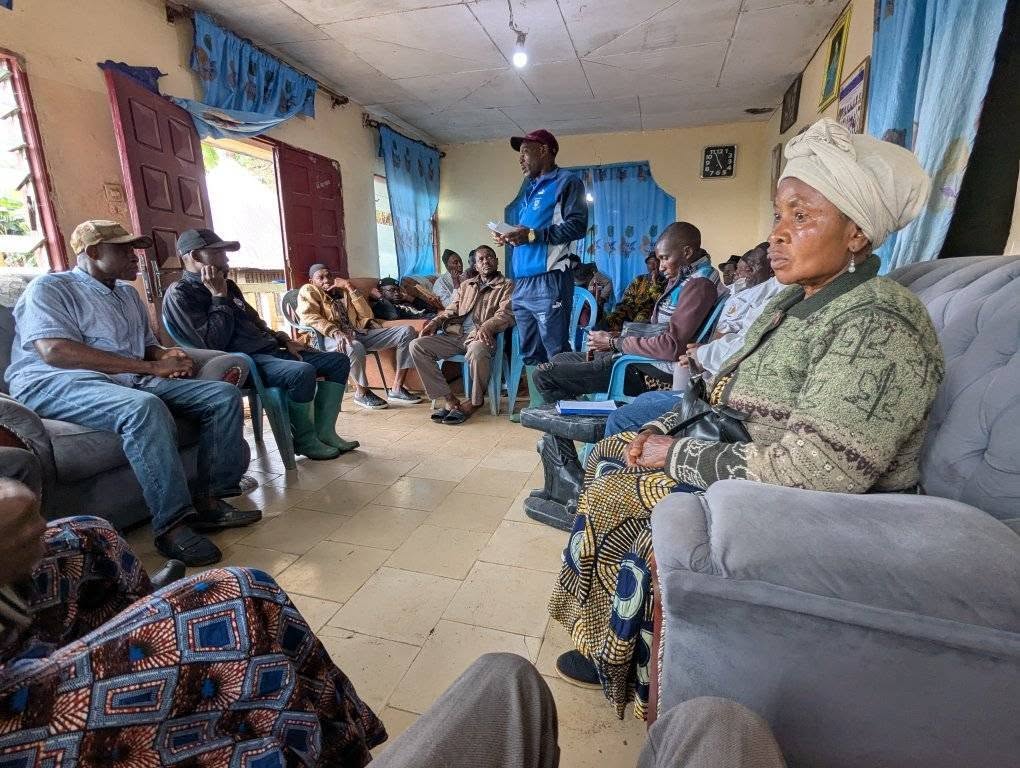
During its engagement with the Nninong Clan, CNCD witnessed and documented cultural practices that reflect deep knowledge, sustainability, and community values. These practices remain actively used and transmitted within the community.
The initiative focused on three key areas:
Indigenous Empowerment and Knowledge Transmission
Indigenous empowerment is central to cultural sustainability. In the Nninong Clan, elders and community leaders play a critical role in passing down knowledge related to:
- Traditional governance and leadership
- Land and resource management
- Community values and conflict resolution
CNCD’s engagement emphasized the importance of recognizing indigenous voices and strengthening local ownership of cultural preservation initiatives.
Traditional Gastronomy: Food as Culture and Identity
Traditional gastronomy is more than nourishment—it is history, ecology, and identity combined. CNCD observed indigenous food systems that:
- Use locally sourced and seasonal ingredients
- Promote nutritional balance and food security
- Reflect sustainable farming and harvesting practices
Preserving traditional gastronomy supports cultural identity while contributing to sustainable and climate-resilient food systems.
Traditional Pharmacopeia and Indigenous Health Knowledge
The Nninong Clan maintains extensive knowledge of traditional pharmacopeia, using medicinal plants and natural remedies to address common health conditions.
This indigenous health knowledge:
- Is based on generations of observation and practice
- Promotes sustainable use of medicinal plants
- Complements modern healthcare approaches
CNCD recognizes the importance of documenting and safeguarding this knowledge, particularly as biodiversity loss threatens medicinal plant species.
Cultural Heritage and Environmental Conservation: A Shared Vision
Indigenous cultural practices are closely linked to environmental stewardship. In the Nninong Clan, cultural norms guide:
- Respect for forests and sacred sites
- Sustainable harvesting of natural resources
- Protection of biodiversity
CNCD’s work highlights the strong connection between cultural preservation and environmental conservation.
Our Vision: Promoting Cultural Diversity for Sustainable Development
CNCD’s vision is to promote, protect, and enhance cultural values in all their diversity, recognizing them as essential to inclusive and sustainable development.
By supporting indigenous cultures, CNCD aims to:
- Strengthen community resilience
- Preserve identity and heritage
- Promote sustainable livelihoods
- Encourage intercultural understanding
Cultural diversity is not a barrier to development—it is a foundation for it.
Why This Work Matters to Donors and Partners
Supporting cultural heritage preservation:
- Protects endangered knowledge systems
- Strengthens community-led development
- Supports environmental sustainability
- Aligns with global priorities on indigenous rights and cultural diversity
CNCD welcomes partnerships with donors, foundations, and cultural institutions committed to safeguarding indigenous heritage in Cameroon.
Call to Action: Support Cultural Heritage Preservation in Cameroon
The preservation of indigenous knowledge and cultural heritage requires sustained commitment and resources. CNCD invites donors, foundations, and partners to support initiatives that protect cultural identity while advancing sustainable development.
Together, we can ensure that Cameroon’s rich cultural heritage continues to thrive for generations to come.