
NEPAC’s Collective Action to Promote Sustainable and Resilient Food Systems in Cameroon
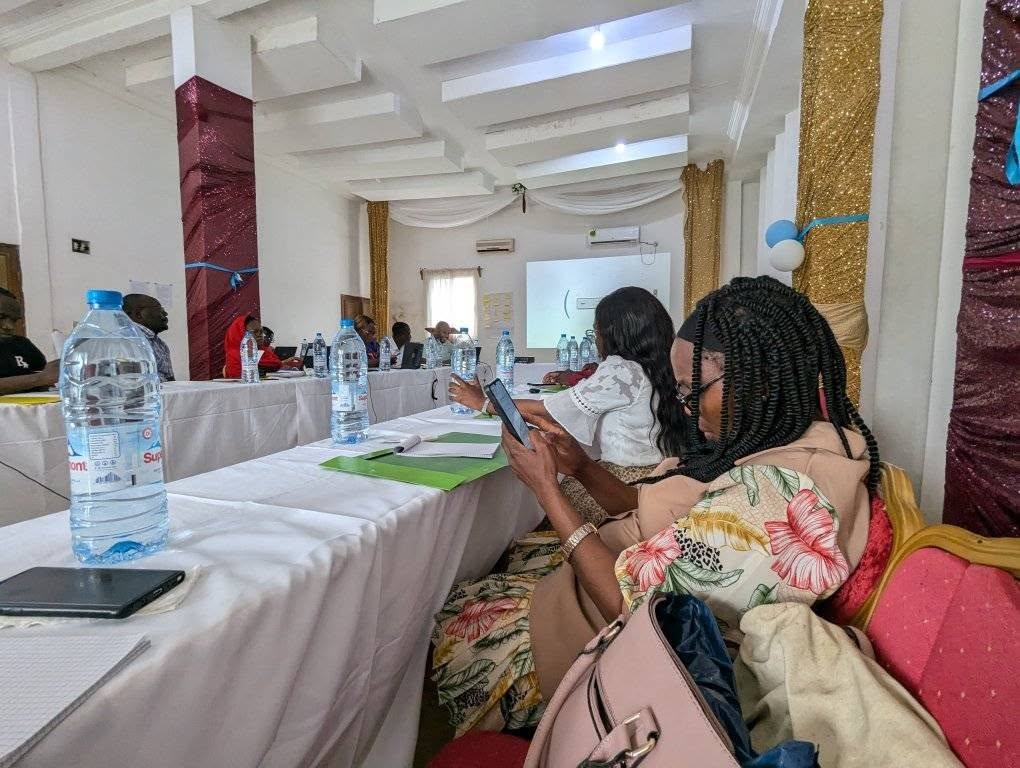
Global and Regional Challenges Facing Food Systems
Food insecurity, declining public health, biodiversity loss, emerging diseases, and increasing insect resistance are among the most pressing global challenges today. These issues are being felt most severely in Africa, where vulnerable populations depend heavily on natural resources for survival.
The situation has been further aggravated by climate change, whose impacts are increasingly severe and unpredictable. Extreme weather events—such as storms, floods, and prolonged droughts—now threaten not only agricultural production but also:
- Human health and nutrition
- Livelihoods and food availability
- Ecosystem stability and biodiversity
- Long-term sustainability of natural resources
These interconnected crises demand sustainable, locally adapted solutions.
Agroecology as a Strategic Response to Climate and Food Crises
Agroecology offers a holistic approach to addressing these challenges by integrating ecological principles into agricultural systems. It strengthens resilience by:
- Improving soil health and water retention
- Reducing dependence on chemical inputs
- Enhancing biodiversity and ecosystem services
- Supporting climate adaptation and mitigation
- Improving food security and rural livelihoods
In Cameroon, agroecology is increasingly recognized as a viable pathway toward sustainable development and climate resilience.
NEPAC: Coordinating the Promotion of Agroecology in Cameroon
The Network for the Promotion of Agroecology in Cameroon (NEPAC) was established to provide a coordinated civil society response to these growing challenges. NEPAC brings together organizations working to advance agroecology through collaboration, advocacy, research, awareness-raising, and capacity building.
The Centre for Nature Conservation and Development (CNCD) is an active member of NEPAC, contributing its expertise in environmental conservation, community engagement, and sustainable development.
Governance and the Role of NEPAC’s General Assemblies
NEPAC operates under a well-defined charter, which provides for the organization of two General Assemblies each year. These assemblies play a central role in guiding the network’s strategic direction, accountability, and effectiveness.
They enable members to:
- Review progress and challenges
- Validate action plans and priorities
- Strengthen coordination and collaboration
- Define future interventions
First General Assembly: Bafoussam, February 20–21, 2024
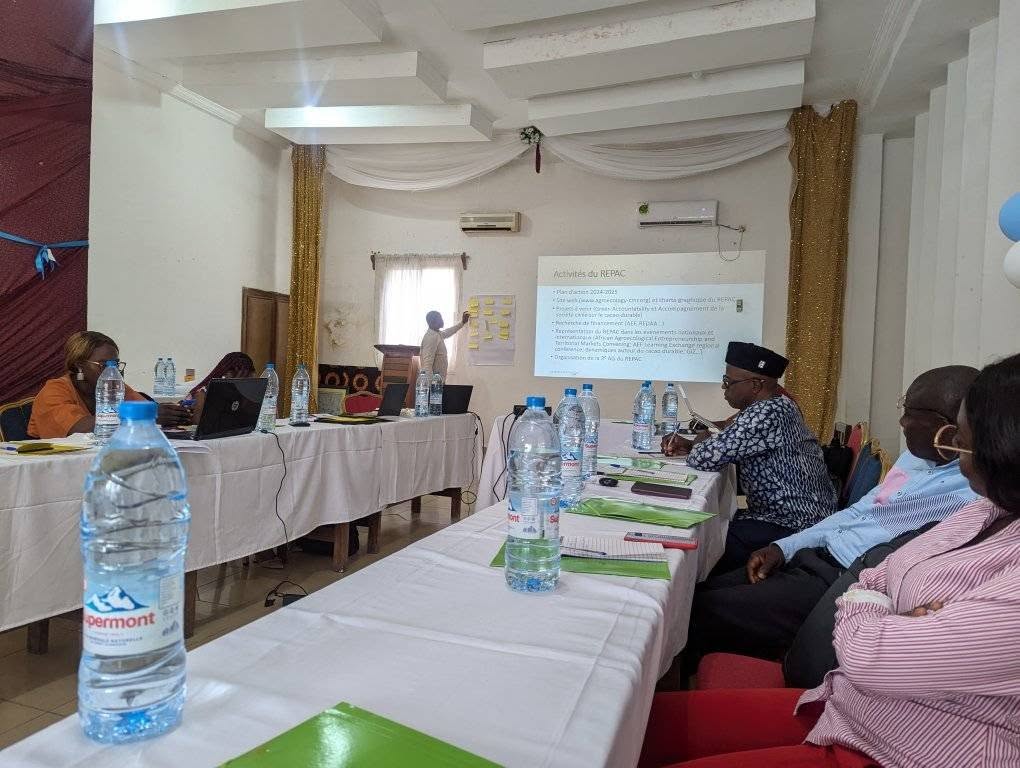
NEPAC held its first General Assembly in Bafoussam on February 20 and 21, 2024. This milestone meeting allowed the network to:
- Develop its first-ever action plan
- Organize and structure its interventions
- Set priorities for agroecology promotion during the year 2024
The assembly laid a strong foundation for coordinated action and collective ownership among member organizations.
Second General Assembly: Limbe, October 10–11, 2024
Following the Bafoussam meeting, NEPAC convened its second General Assembly in Limbe from October 10 to 11, 2024.
The main objective of this assembly was to:
- Review the various actions validated by NEPAC
- Assess progress made during the year
- Identify challenges and lessons learned
- Define the way forward in advancing agroecology promotion in Cameroon
This review process strengthened strategic clarity and reinforced NEPAC’s commitment to continuous improvement.
Why NEPAC’s Work Matters Now More Than Ever
At a time when climate change and food insecurity are intensifying, coordinated agroecological action is essential. NEPAC’s structured approach ensures that:
- Agroecology initiatives are aligned and scalable
- Civil society voices are strengthened
- Farmers and communities benefit from sustainable practices
- Biodiversity and ecosystems are protected
By linking governance, strategy, and grassroots action, NEPAC contributes meaningfully to Cameroon’s agricultural and environmental resilience.
Relevance for Donors and Development Partners
Supporting NEPAC and its member organizations aligns with global priorities on:
- Climate-resilient food systems
- Biodiversity conservation
- Public health and nutrition
- Community-led sustainable development
Investments in agroecology generate long-term environmental, social, and economic benefits.
Conclusion: Advancing a Resilient and Sustainable Future
The challenges of food insecurity, climate change, and biodiversity loss require urgent and coordinated responses. Through structured governance, collective planning, and committed membership—including CNCD—NEPAC is playing a key role in advancing agroecology as a sustainable solution for Cameroon.
By strengthening resilience today, NEPAC helps secure food systems, ecosystems, and livelihoods for future generations.