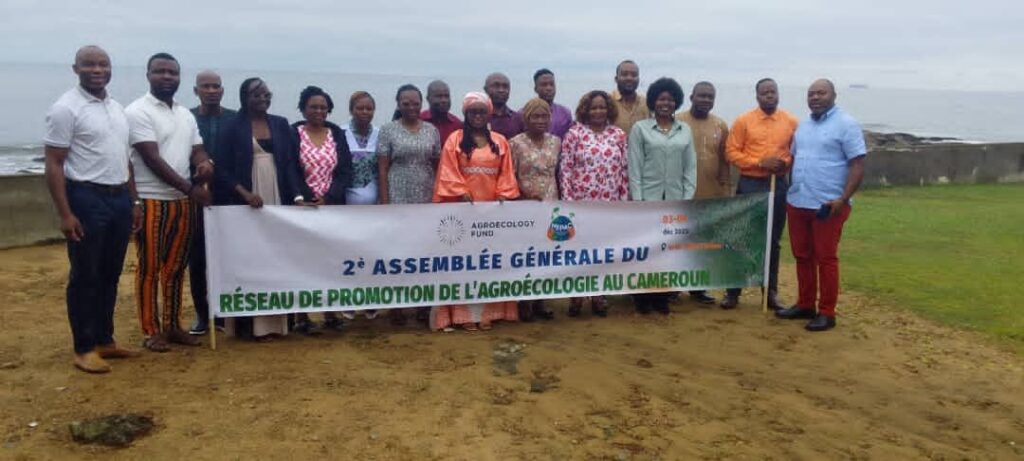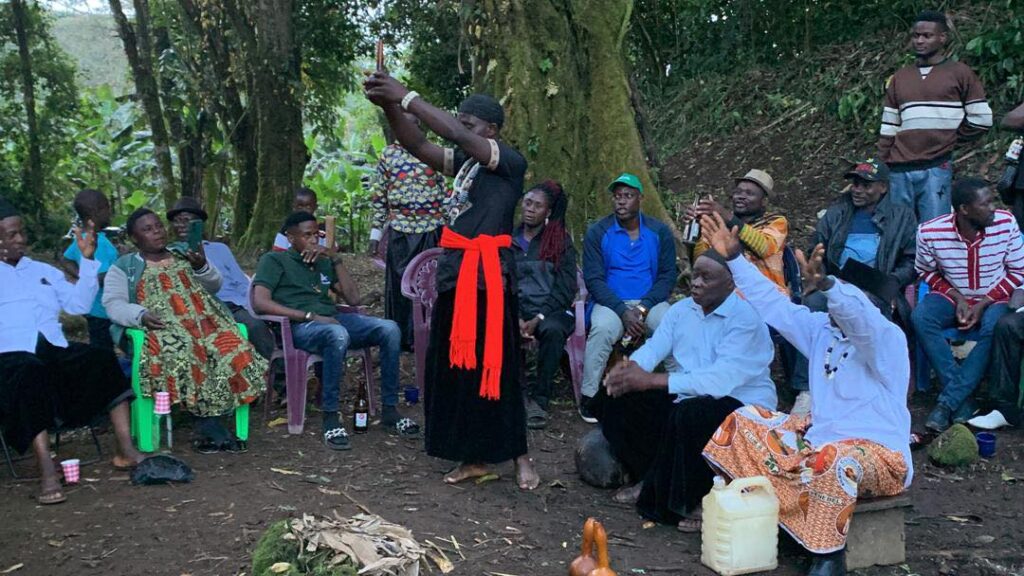
CNCD Participates in Consortium Consultation on the Indigenous Peoples and Local Community Environmental and Climate Justice Fund in Limbe
Introduction: Centering Forest Communities in Climate Justice Efforts
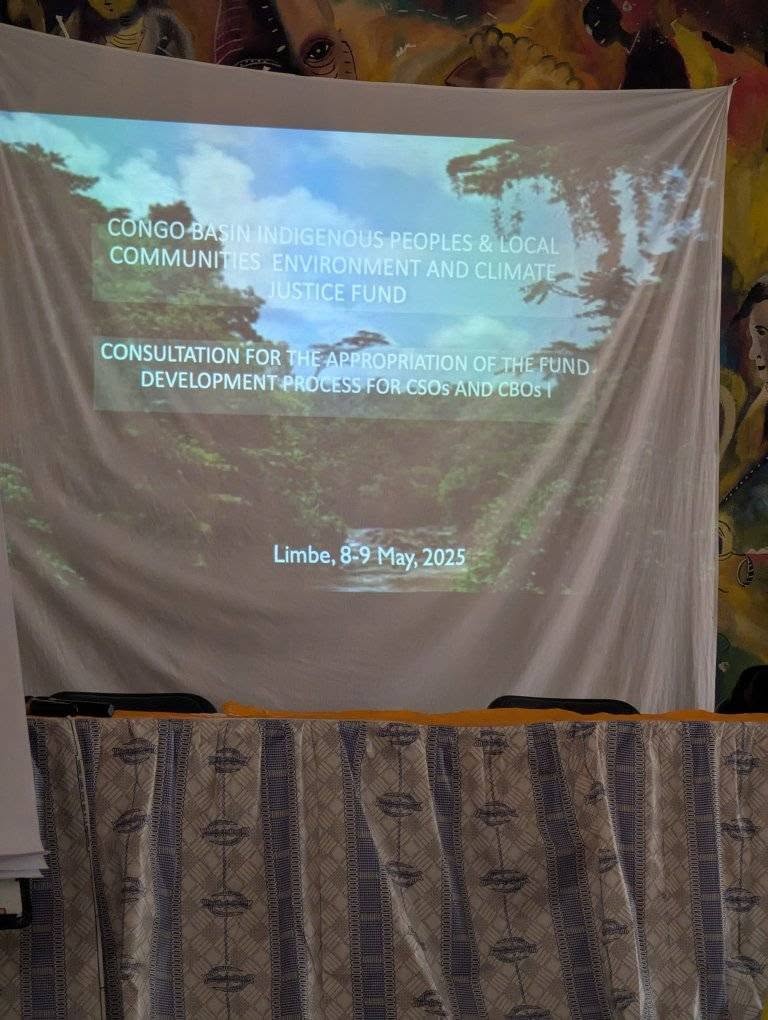
Forest communities across the Congo Basin play a critical role in biodiversity conservation and climate change mitigation. Yet, they remain among the most vulnerable to environmental degradation, climate impacts, and exclusion from decision-making processes.
The Centre for Nature Conservation and Development (CNCD) is committed to ensuring that indigenous peoples and local communities (IPLCs) are meaningfully involved in environmental and climate governance—particularly in funding mechanisms designed to support them.
CNCD and Grassroots CSOs Convene in Limbe
On 9th May, CNCD joined other grassroots civil society organizations (CSOs) in a consortium meeting held in Limbe, focused on the Congo Basin Indigenous Peoples and Local Community Environmental and Climate Justice Fund.
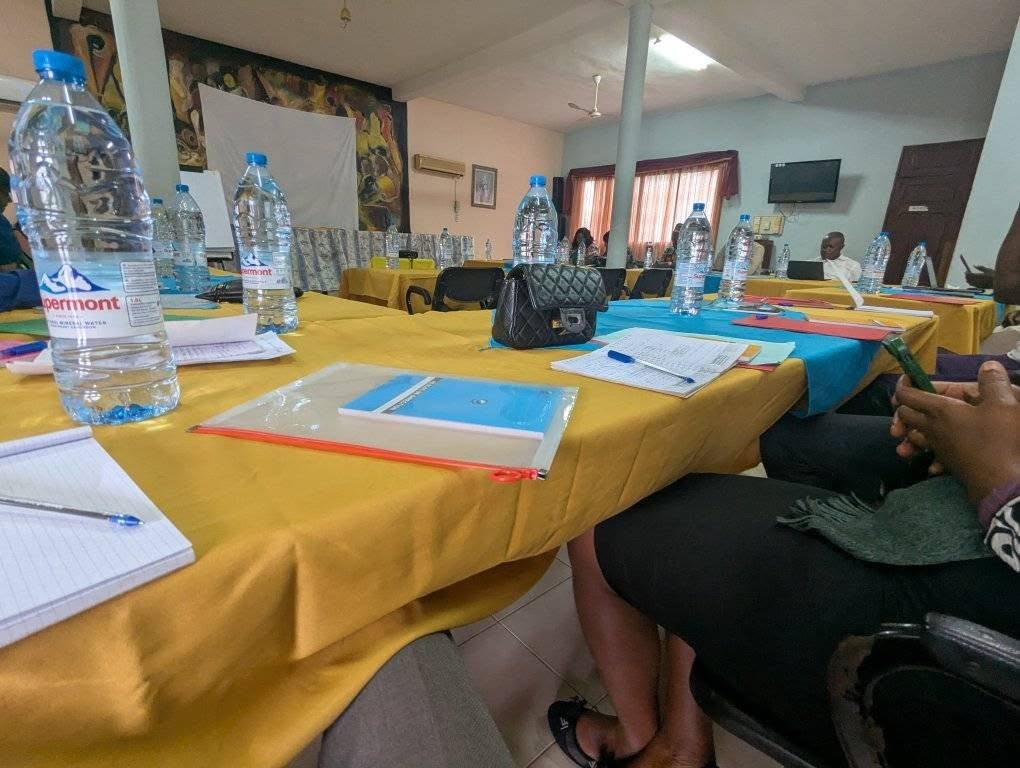
The meeting brought together invited stakeholders with the shared objective of strengthening community ownership and participation in the fund development and implementation process, particularly for community-based organizations (CBOs).
Purpose of the Consortium Consultation
The consortium meeting served as a consultative platform to ensure that the Environmental and Climate Justice Fund is:
- Inclusive and accessible to grassroots and community-based organizations
- Responsive to the real needs of forest-dependent communities
- Designed with strong community participation and ownership
Participants emphasized the importance of appropriating the fund development process so that CBOs can effectively access, manage, and benefit from the fund.
Addressing the Challenges Faced by Forest Communities
A key component of the meeting was an open discussion on the challenges faced by forest communities across the Congo Basin. These challenges include:
- Limited access to climate and environmental finance
- Land tenure insecurity and resource-use conflicts
- Marginalization of indigenous voices in decision-making
- Increasing climate impacts on livelihoods and ecosystems
Participants shared community experiences and identified gaps in existing interventions.
Identifying Actions and Pathways Forward
Beyond identifying challenges, the consortium focused on concrete actions to put in place, including:
- Strengthening the capacity of CBOs to access and manage funds
- Improving coordination among grassroots CSOs
- Ensuring transparency and accountability in fund governance
- Promoting community-led solutions to environmental and climate challenges
These discussions laid the groundwork for a more equitable and community-driven climate justice fund.
Why This Matters for Climate and Environmental Justice
Climate justice requires that those who protect forests and biodiversity are not left behind. Ensuring that forest communities can access resources and influence funding decisions is essential for:
- Effective climate action
- Biodiversity conservation
- Sustainable livelihoods
- Social equity and human rights
CNCD views participatory funding mechanisms as a cornerstone of long-term environmental and climate resilience in the Congo Basin.
CNCD’s Commitment to Inclusive and Community-Led Development
CNCD remains committed to:
- Amplifying indigenous and local community voices
- Supporting grassroots organizations and CBOs
- Promoting equitable access to environmental and climate finance
- Strengthening governance for sustainable development
Participation in this consortium reflects CNCD’s broader mission to link communities, policy, and resources for lasting impact.
Call to Action: Support Community-Led Climate Justice in the Congo Basin
Achieving environmental and climate justice in the Congo Basin requires strong partnerships and sustained investment. CNCD invites donors, foundations, and development partners to support initiatives that place forest communities at the center of climate solutions.
Together, we can ensure that climate finance reaches the communities who protect our forests and our future.