
NEPAC’s Strategic Role in Coordinating, Strengthening, and Scaling Agroecology
Agroecological Transition: An Imperative for the Congo Basin
The countries of the Congo Basin, and Cameroon in particular, face growing challenges related to climate change, soil degradation, food insecurity, and biodiversity loss. Conventional agricultural models are increasingly unsustainable in the face of these pressures.
Agroecological transition has therefore become an imperative. By integrating ecological principles into agricultural systems, agroecology strengthens food security, protects ecosystems, and improves the resilience of rural communities. It also aligns with global commitments on climate adaptation, biodiversity conservation, and sustainable development.
The Creation of NEPAC: A Collective Response
It is within this context that the Network for the Promotion of Agroecology in Cameroon (NEPAC) was created in November 2023.
NEPAC is a platform of civil society organizations committed to promoting and supporting the development of agroecology across Cameroon. The network was established to strengthen coordination, amplify collective voices, and accelerate agroecological transition at local, national, and regional levels.
NEPAC’s Mission and Areas of Intervention
NEPAC works to advance agroecology in Cameroon through a broad and complementary set of actions, including:
- Collaboration among civil society organizations and stakeholders
- Advocacy for agroecology-friendly policies
- Research and documentation of agroecological practices
- Awareness-raising and education
- Experience-sharing and capacity building
- Support for agroecological transition zones
These interventions aim to ensure that agroecology is not only promoted, but effectively implemented and sustained.
From Strategy to Action: Operationalizing NEPAC’s Vision
To guide its work, NEPAC developed a strategy document that defines its areas of intervention and key tasks. This document serves as a general orientation framework for the network.
However, recognizing that strategic vision must be translated into concrete action, NEPAC emphasizes the operationalization of the strategy. This process improves shared understanding among members and ensures effective application of planned activities on the ground.
Governance and the Role of General Assemblies
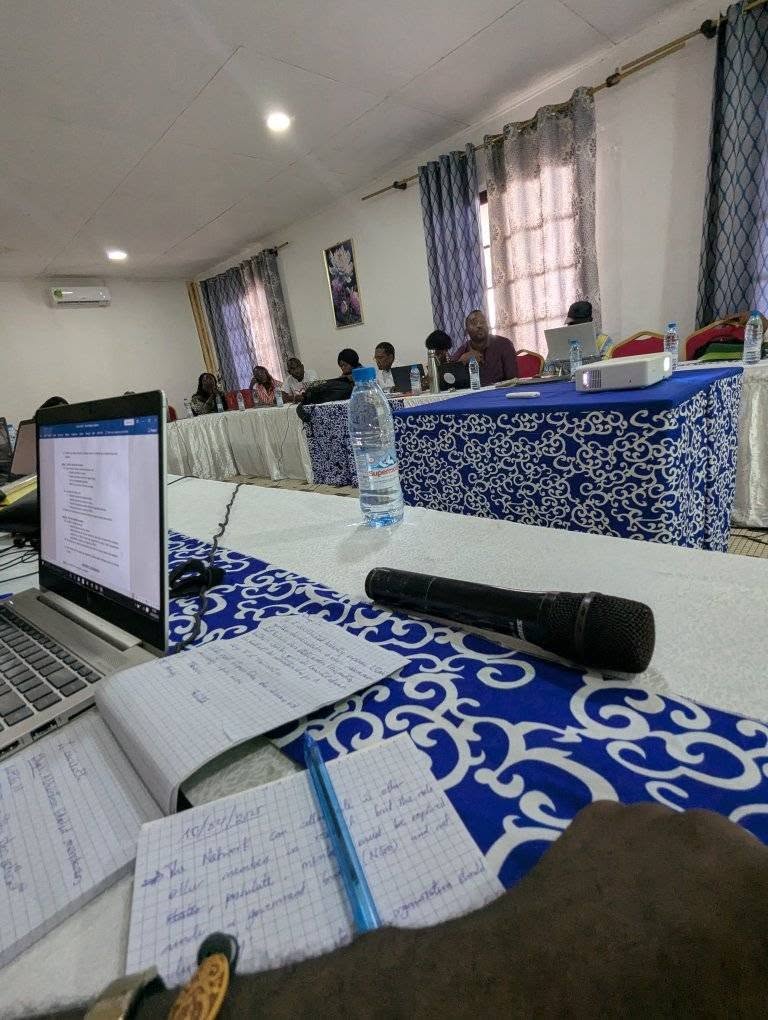
NEPAC operates under a well-defined charter, which provides for the organization of two General Assemblies each year. These assemblies are central to the network’s governance, transparency, and effectiveness.
They provide a platform to:
- Review progress and assess implementation
- Validate action plans and priorities
- Strengthen coordination among members
- Ensure collective ownership of decisions
Key Milestones: NEPAC General Assemblies (2024–2025)
First Annual General Meeting – Bafoussam (February 20–21, 2024)
NEPAC held its first Annual General Meeting (AGM) in Bafoussam on February 20–21, 2024. This landmark meeting enabled the network to:
- Develop its first annual action plan
- Structure and organize activities for the year 2024
- Strengthen internal coordination and governance
Second General Meeting – Limbe (October 16–17, 2024)
The second General Assembly, held in Limbe from October 16–17, 2024, focused on:
- Taking stock of actions validated by NEPAC
- Assessing progress and challenges
- Planning future activities and strategic directions
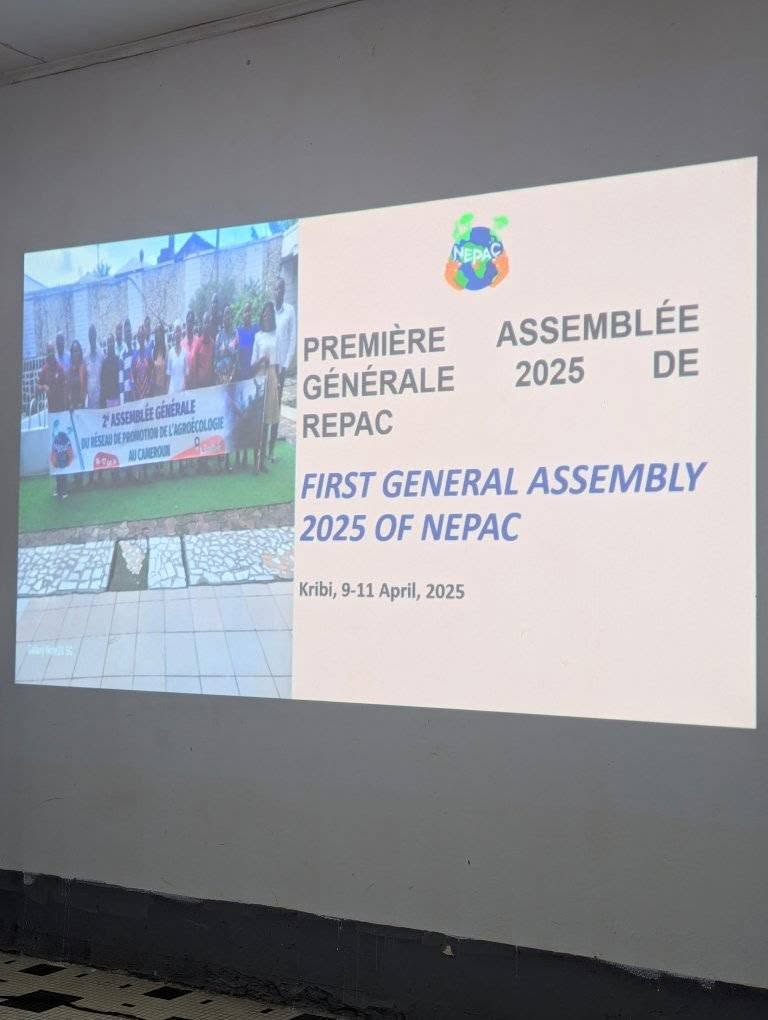
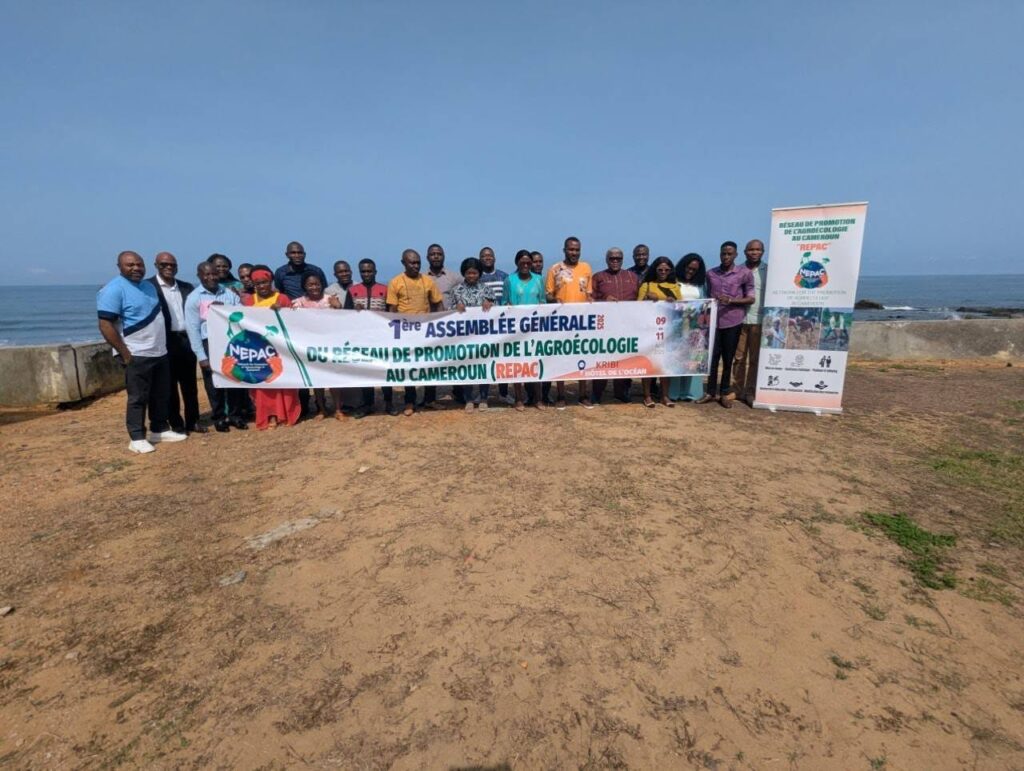
First General Meeting of 2025 – Kribi
In 2025, NEPAC is organizing its first General Assembly of the year in Kribi. The objectives of this meeting include:
- Organizing NEPAC’s activities for the year 2025
- Reviewing and validating ongoing and planned actions
- Strengthening collaboration among members
This meeting represents a key step in consolidating NEPAC’s role as a national platform for agroecological transition.
Why NEPAC’s Work Matters
By coordinating civil society efforts, NEPAC contributes to:
- Scaling agroecological practices across Cameroon
- Strengthening farmer resilience to climate change
- Protecting biodiversity and natural resources
- Supporting sustainable and inclusive rural development
NEPAC’s collective approach ensures that agroecology is not fragmented, but strategically advanced through shared vision and action.
Relevance for Donors, Foundations, and Partners
Supporting NEPAC’s work aligns with global priorities on:
- Sustainable food systems
- Climate adaptation and mitigation
- Biodiversity conservation
- Community-led development
Investment in agroecological networks like NEPAC delivers long-term environmental, social, and economic returns.
Conclusion: Building a Resilient Agricultural Future for Cameroon
Agroecological transition is no longer optional—it is essential for the future of Cameroon and the Congo Basin. Through structured governance, strategic planning, and collective action, NEPAC is playing a central role in advancing this transition.
Together with its member organizations, NEPAC is laying the foundation for a resilient, sustainable, and equitable agricultural system that benefits both people and nature.